
Best Park Trails for Walking Clubs Across the USA
Discover premier walking destinations from the Pacific coast to the Atlantic seaboard—routes that inspire, challenge, and bring walking communities together.
Why Trail Selection Matters for Your Walking Club
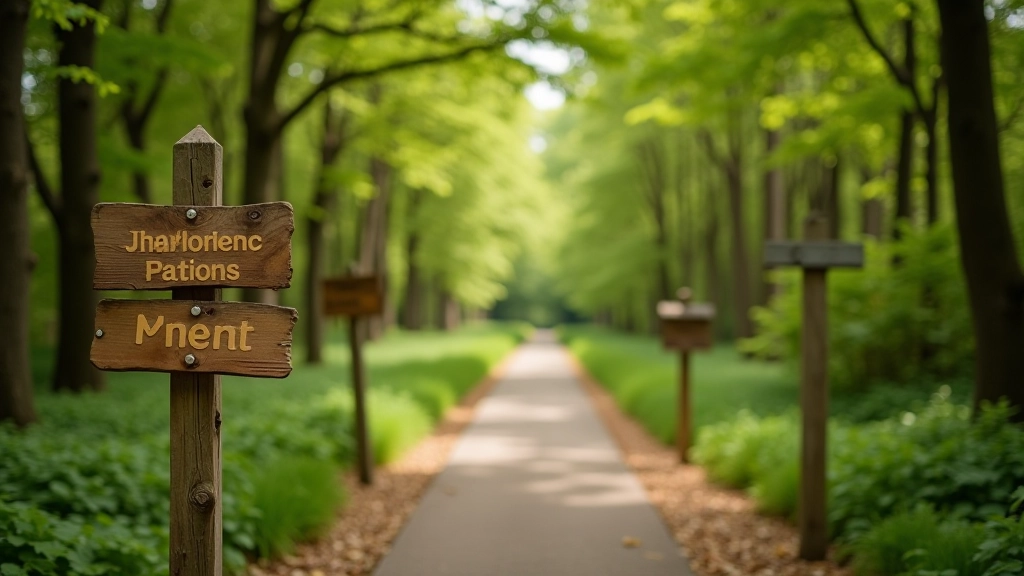
Finding the right trail isn't just about distance. It's about creating experiences that keep people coming back week after week. The best routes combine scenic beauty, manageable elevation, reliable surface conditions, and that intangible quality that makes walkers feel connected to nature and each other.
We've researched parks across eight regions to identify trails that work exceptionally well for organized walking groups. Whether you're leading Nordic walkers, power walking enthusiasts, or mixed-ability groups, these destinations offer something special. Most have parking, restroom facilities, and enough width for side-by-side conversation—the things that matter when you're building community.

Northeast: Autumn Glory and Historic Routes
The Northeast delivers some of America's most visually dramatic walking experiences. Central Park in New York draws walking clubs year-round—the Reservoir Loop (6.1 miles) is perfect for groups, with wide paths and clear sightlines. But if you're looking for something less crowded, the Greenway Trail in Stamford, Connecticut offers 37 miles of connected paths through preserved landscapes.
Boston's Emerald Necklace system—designed in 1878—connects seven parks across the city. Most walking clubs use the Arnold Arboretum section (265 acres) where the terrain ranges from gentle to moderately rolling. The Fall foliage season (September through November) transforms these routes into something truly memorable. Early mornings typically mean fewer tourists and perfect conditions for groups to maintain conversation while walking at their own pace.
Pro tip: Northeast trails get wet after rain. Most clubs schedule walks 24-48 hours after precipitation when drainage's had time to work.


Southeast: Year-Round Mild Conditions
The Southeast's advantage is simple—you can walk comfortably almost every month of the year. Charleston's Palmetto Islands County Park features 6 miles of boardwalk trails through salt marshes. The elevated construction means walkers stay dry and get up-close views of local wildlife. Groups can maintain steady pace without worrying about muddy conditions derailing their schedule.
Atlanta's Piedmont Park (189 acres) offers 5-mile circuits with plenty of shade and water fountains positioned at regular intervals. The paths are wide enough for groups to walk three-across, making conversation easy. Winter months (December through February) bring the most comfortable temperatures—typically 45-55°F—which is ideal for sustained walking efforts.
Louisiana's Timberlake Trail near Shreveport delivers something different—1.4 miles of floating boardwalk through cypress swamp. It's short but atmospheric, and perfect for clubs looking to mix up their usual routes with something genuinely unique.
Midwest: Prairie Vistas and Lake-Loop Networks
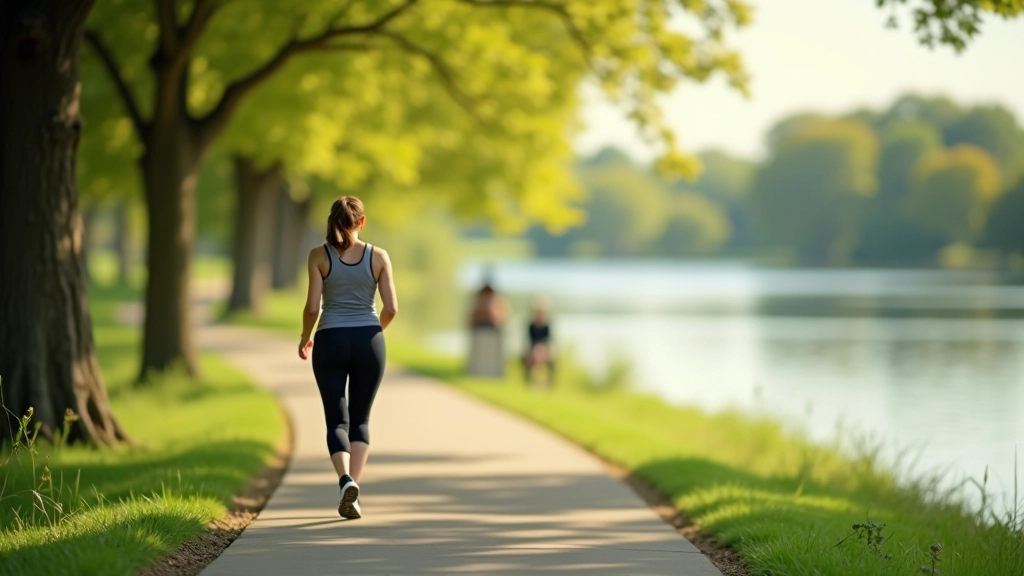
Don't overlook the Midwest for serious walking destinations. Chicago's Lakefront Trail spans 18.5 miles with multiple entry points, making it flexible for clubs with varying fitness levels. Groups typically use 4-6 mile segments, starting early before crowds build. The flat terrain suits power walkers perfectly—you can maintain consistent pace without elevation surprises.
Minneapolis's Chain of Lakes system (Calhoun, Harriet, Bde Maka Ska) connects via paved trails totaling 10+ miles. Each lake offers distinct character, so rotating between them keeps the walking experience fresh across seasons. Summer (May through September) brings reliable 60-75°F temperatures. Winter walking requires different planning, but many clubs embrace it—the quiet beauty of snow-covered paths is worth the extra gear.
Madison's Tenney Park features a 1.5-mile loop around an isthmus, combining lake views with wooded sections. What makes it special for groups? The loop design means no backtracking, and you can do multiple circuits if energy permits. Most clubs report this as their "go-to" route for recruiting new members—the scenery does the convincing.
West: Elevation, Drama, and Desert Silence
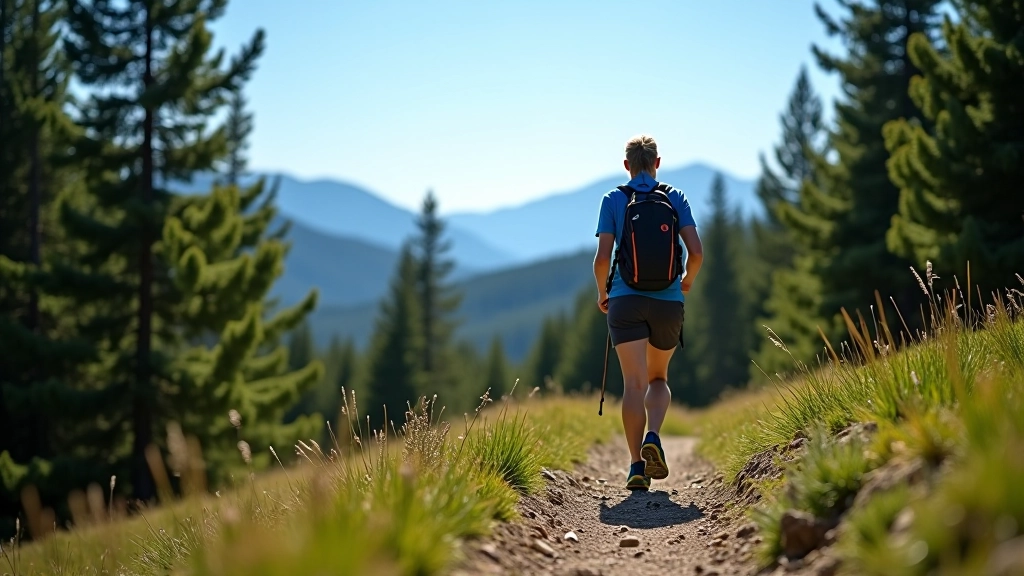
The West demands respect for elevation and sun exposure, but rewards you with landscapes that are genuinely spectacular. Denver's Cherry Creek Trail runs 40 miles, but most clubs use 5-8 mile urban segments. The 5,280-foot elevation means walkers feel their exertion differently than at sea level—it's actually ideal for building aerobic capacity. Start slower than you would elsewhere and expect to feel it for the first week.
Phoenix's Desert Botanical Garden isn't a traditional trail, but it's become a favorite for winter walking clubs (November through March). Guided walks on the grounds mean no navigation required, and you're immersed in botanical education while getting your steps in. During summer months, Phoenix clubs shift to early dawn (5:30-7 AM starts) on Papago Park's trails—the 1.2-mile loop offers dramatic red rock formations without excessive distance.
California's Coastal Trail from Half Moon Bay to Santa Cruz offers 30+ miles of ocean-view walking. Groups typically use 4-6 mile segments, stopping at beaches for rest breaks. The marine layer (morning fog) keeps temperatures moderate even in summer. Spring (April-May) is peak season—wildflowers are blooming and weather's most stable.
Planning Your Club's Trail Strategy
What Makes a Trail Work for Groups
- Width: Paths need to accommodate walkers side-by-side. Minimum 8 feet for comfortable two-person conversation. Three-across requires 12+ feet.
- Surface: Paved or well-maintained gravel works best. Uneven surfaces slow mixed-ability groups and increase injury risk.
- Facilities: Parking within a quarter-mile and restrooms at the trailhead aren't luxuries—they're essential for club retention.
- Lighting: If your club walks early morning or evening, paths with good natural light or street lamps matter for safety and morale.
- Water Access: Fountains or nearby stores make longer walks feasible. Most walkers expect water access every 2-3 miles.
- Flexibility: Look for loops or multiple route options so members can choose distances (4, 6, or 8 miles) based on that day's energy.

Seasonal Considerations for Year-Round Walking
Spring (March-May)
Wildflowers, moderate temperatures (55-70°F), and longer daylight make spring ideal. Watch for wet conditions after rain—trails in wetter regions need 48 hours to dry properly.
Summer (June-August)
Heat's the main challenge. Shift to early morning (before 8 AM) in hot regions. Elevation becomes your friend—higher altitude trails stay 10-15°F cooler. Always carry water.
Fall (September-November)
Foliage, stable weather, and comfortable temperatures (50-65°F) create perfect walking conditions. This is recruitment season—the trails look their best and attract new members.
Winter (December-February)
Southern regions shine here. Northern clubs embrace quieter trails and careful footing. Snow and ice require different preparation, but many experienced walkers find winter's solitude rewarding.
Ready to Explore These Routes?
Start by visiting your local parks department website—they'll have detailed trail maps, elevation profiles, and current conditions. Many maintain social media groups where local walking clubs post updates and organize meetups. Your first walk doesn't need to be perfect. Pick a trail, show up, and you'll find your people.
Discover How to Find Your Local Walking ClubImportant Information
This article provides educational information about walking trails and park resources across the United States. Trail conditions, facilities, and accessibility change seasonally and over time. Before visiting any location, check current park websites and local resources for up-to-date information about hours, conditions, and any access restrictions. Always consult with your healthcare provider before beginning a new walking program, especially if you have existing health conditions. Walking club experiences vary by location and season. Individual circumstances differ, and what works for one group may need adjustment for another.