
Joining Step-Count Challenge Events
Everything you need to know about seasonal walking challenges—how they work, how to track progress, and why they're more fun with a group.
What Are Step-Count Challenges?
Step-count challenges aren't new, but they've evolved. What started as simple fitness tracking has become a community experience—especially for adults over 40. These challenges typically run for 30 days during spring, summer, or fall. You're competing against a goal, not necessarily against other people (though that adds motivation).
The basic premise is straightforward. You set a daily step target—maybe 8,000, 10,000, or 12,000 steps depending on your fitness level—and track them using a fitness tracker, smartwatch, or even a smartphone app. Some challenges involve group tracking where everyone pools their steps toward a collective goal. It's different from training for speed or technique. It's about consistency, building daily movement habits, and enjoying the social aspect with other walkers.

Why Join a Challenge With Others?
Solo challenges work, sure. But there's something about doing it with a group that changes everything. You've got accountability—people notice if you're missing steps for a week. You've got motivation that doesn't come from an algorithm. And you've got actual conversation happening on park paths instead of just earbuds and silence.
Most walking clubs we know run seasonal challenges with weekly leaderboards and friendly competition. Not the aggressive kind—the kind where someone texts you saying "Hey, didn't see your name on the board this week, everything okay?" It builds connection. Plus, you'll probably walk more. Studies show people in group challenges average 15-20% more steps than solo trackers. That's real. You're not pushing harder; you're just naturally walking more because you're meeting people, exploring different routes, and building rhythm with your group.
How to Get Started
The setup's simple. No special equipment required, though tracking devices help.
01
Choose Your Tracker
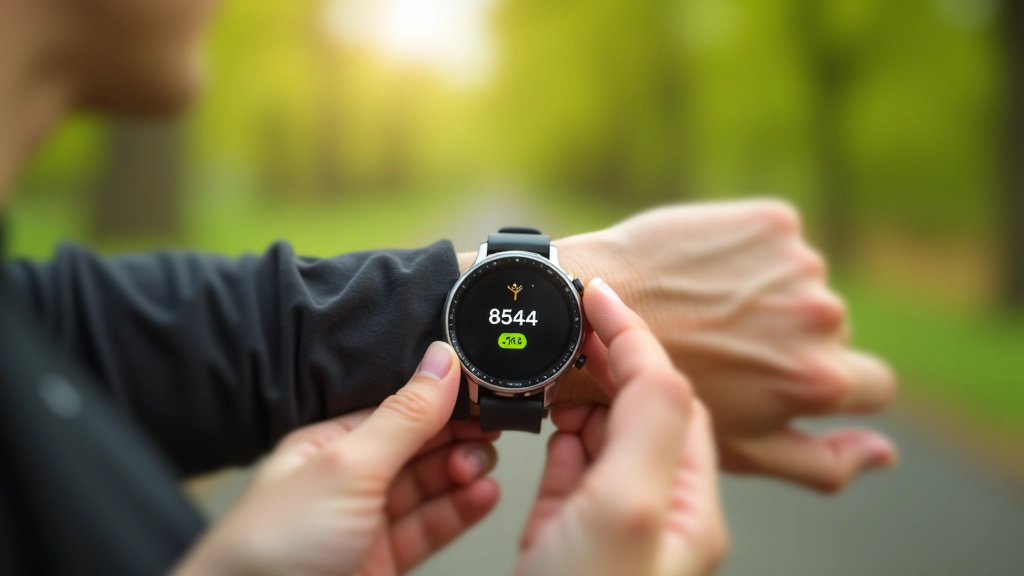
You'll need something to count steps. A smartwatch (Apple Watch, Garmin, Fitbit) works best—they're accurate and sync automatically. Smartphone apps work too if that's your preference. Some people use basic pedometers, though they're less reliable. Pick whatever you'll actually wear consistently.
02
Set a Realistic Daily Goal
Don't jump to 15,000 steps on day one if you're currently at 5,000. Most fitness professionals recommend increasing by 1,000-2,000 steps per week. If you're new to challenges, start at 8,000 and adjust from there. You want achievable goals—that's what builds consistency. Burnout happens when targets are too aggressive.
03
Join Your Walking Club's Challenge
Most clubs announce challenges at the start of each season. You'll register (usually free or minimal cost), connect your tracker app to the challenge platform, and you're in. The platform tracks your daily steps and updates the leaderboard. Some clubs use Strava, others use custom spreadsheets. Either way, you'll see how everyone's progressing weekly.
04
Walk Regularly, Track Honestly
The challenge runs 30 days. You don't need to hit your target every single day—life happens. But aim for 5-6 days per week. Most challenges look at weekly totals anyway, not daily perfection. And yes, the honor system matters. Nobody benefits from creative counting. It's your progress, your challenge.
Tracking Methods That Actually Work
Different people need different approaches. Some walkers love the detailed metrics—elevation gained, pace, distance covered. Others just want a number that tells them "you did it today." Both are valid.
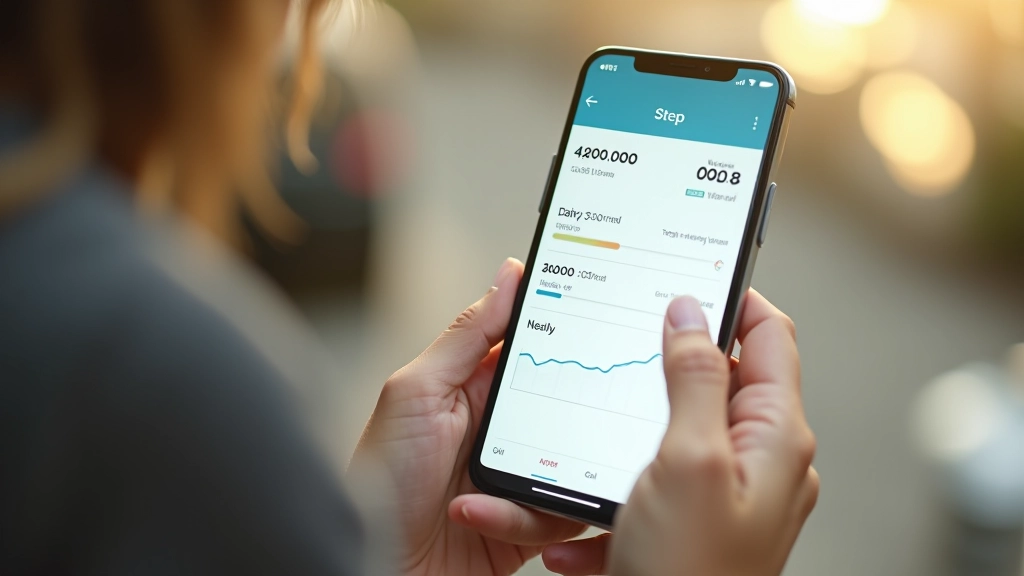
Smartwatches give you real-time feedback. You can glance down and see exactly where you stand against your daily goal. Apps like Strava let you track routes and see patterns over time. Spreadsheets work too—some club members print weekly sheets and check boxes manually. The best tracker is the one you'll actually use. If you hate checking apps, don't pick an app-heavy method. If you like data visualization, get a device with a display. Most people find their rhythm within the first week.
Making the Challenge Stick
These strategies help walkers actually complete the full 30 days.
Walk With the Group
Scheduled group walks hit different. Wednesday morning at 7 AM, Tuesday evening at 5:30 PM—whatever your club offers. These walks guarantee movement and community. Solo walks fill the gap, but group walks provide structure and motivation. Don't skip them.
Break Goals Into Chunks
10,000 steps sounds big. But it's really 2,000 steps in the morning walk, 3,000 at lunch, 3,000 in the evening, plus 2,000 from daily movement. Chunking makes it manageable. You're not "doing 10,000 steps"—you're doing four separate things that add up.
Find Accountability Partners
Pick one or two people in your club to check in with weekly. Text them Sunday night: "What's your step count looking like?" It's surprisingly effective. You're more likely to hit your goal when someone else is asking about it casually.
Vary Your Routes
Same park every day gets boring. Explore different trails. If you're doing Nordic walking, vary the terrain—flats, slight inclines, tree-lined paths. Different routes keep the mind engaged and work different muscle groups slightly. You'll actually want to get out there.

The Social Side of Challenges
Here's what you won't expect: the friendships. You'll meet people you wouldn't have otherwise. That accountant from downtown, the retired teacher, the software engineer, the person who just moved to the area—they're all showing up at 7 AM on a Saturday because they committed to the challenge. Conversation happens naturally. You're walking together for 45 minutes; what else are you going to do, stay silent?
Challenges create natural milestones for celebration too. First person to hit 300,000 steps in the group gets mentioned at the weekly meeting. Someone crushed their personal goal? People acknowledge it. This isn't competitive toxicity—it's genuine recognition. And when someone struggles, the group notices. "Hey, I haven't seen your steps update in a week—everything alright?" That's real community.
Common Questions
What if I miss a few days? Does it ruin everything?
No. Missing 2-3 days won't derail you. The challenge is 30 days—you can miss days and still succeed. Most challenges allow for life. Sick? Go rest. Bad weather? Skip that day. You've got time to make up ground. Just don't use missed days as an excuse to abandon the goal entirely.
Do I need an expensive fitness tracker?
Not necessarily. Basic trackers cost $50-80 and work fine. Smartwatches are nicer but run $150-300+. Your phone has a step counter built in. Start simple. If you love the challenge and want to invest later, upgrade then. Most club members use whatever they already have.
Can I walk indoors if weather's bad?
Absolutely. Indoor mall walking, treadmills, lapping your house—all count. Your tracker doesn't care where the steps happen. That said, outdoor walking is more enjoyable and builds community. But on those brutal heat days or ice storms, indoor options keep you moving.
What happens after the 30 days end?
The challenge ends, but you don't have to. Most walkers who complete a challenge continue walking. Some take a break and rejoin the next seasonal challenge. Others switch focus—maybe training for distance instead of step count. The habit you built? That stays.
Ready to Take the Challenge?
Step-count challenges work because they're simple, social, and achievable. You're not training for a race or transforming your body in 30 days—you're building consistency, joining a community, and proving to yourself that you can commit to something for a month. That's enough. More than enough.
Most walking clubs announce seasonal challenges in early March, June, and September. Check your club's website or ask at your next group walk. If you're not in a club yet, now's the time to find one. Step-count challenges are way better with people who actually care about showing up.
Information Disclaimer
This article provides general information about participating in step-count challenges with walking clubs. It's not medical advice, training instruction, or professional coaching. Before starting any new fitness program, especially if you have existing health conditions, consult with a healthcare provider. Individual results vary based on fitness level, health status, and consistency. Challenge methods and structures vary by club—confirm details with your specific group before joining.
Related Articles